


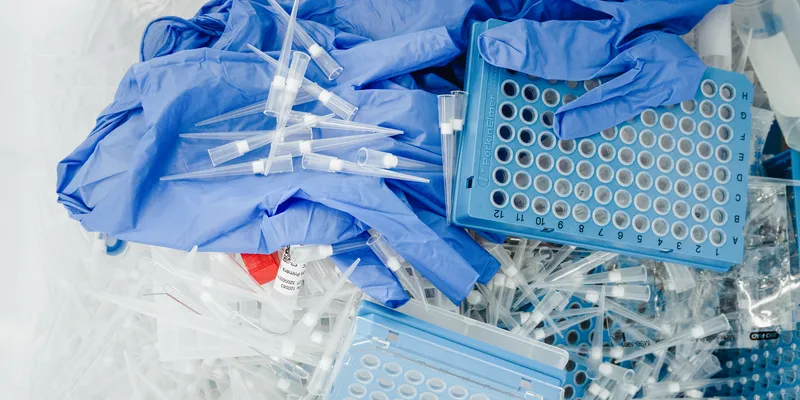

While many facilities have optimized energy settings on ultra-low-temperature freezers or implemented "shut the sash" campaigns for fume hoods, the largest share of a laboratory’s carbon footprint remains stubbornly tied to the loading dock. A five-year analysis of procurement data from Uppsala University (UU) in Sweden reveals a stark reality for lab leaders: approximately 20 percent of plastic product categories account for more than 80 percent of both total plastic mass and expenditure.
This mass action study, conducted by UU researchers in collaboration with My Green Lab and Frostgreen/Woodsafe, analyzed nearly 390 tonnes of plastic purchased between 2020 and 2024. The findings suggest that decarbonization does not require a granular overhaul of every microfuge tube; instead, it requires a strategic focus on a handful of high-impact, high-weight consumables that dominate the waste stream.
The procurement-to-waste correlation
By manually classifying thousands of items and collecting weight specifications directly from manufacturers, the UU team bridged the gap between purchasing records and actual waste mass. The research identifies five primary product categories—including hazardous waste bins, gloves, and pipette tips—as the heavy hitters of laboratory carbon output.


For the lab manager, this data simplifies the path to carbon neutrality. Rather than chasing reproducible gene-editing workflows that may have negligible impact on the facility's footprint, managers can achieve a 50 percent reduction in fossil-based plastic emissions by targeting these specific categories for replacement or reduction.
Strategic diversion of high-impact consumables
The study underscores that Scope 3 emissions—indirect emissions from the supply chain—often comprise up to 88 percent of a life science organization's total footprint. Addressing this requires a shift in sustainable procurement strategies:
- Weight-based auditing: Prioritize the replacement of heavy items like biocomposite bins or thick-gauge gloves, where small changes in material density scale rapidly
- Manufacturer collaboration: Use procurement data to negotiate for reduced secondary packaging and bulk shipping options, which the study identifies as hidden mass
- Standardization: Limiting the variety of high-volume plastics allows for more efficient viral vector manufacturing and waste-stream management
- Alternative materials: Evaluating fiber-based alternatives for high-weight racks and boxes provides an immediate reduction in petroleum-based plastic mass
Using mass action to drive lab investment decisions
The Uppsala University findings provide a data-backed roadmap for prioritizing environmental sustainability without inflating operational costs. By focusing on the 20 percent of items that drive the majority of the mass, lab managers can justify the switch to sustainable alternatives through clear ROI metrics based on weight-to-waste ratios.
Implementing these mass-action principles enables a more focused approach to daily lab operations. Instead of overwhelming staff with complex new recycling protocols for every item, managers can implement high-impact changes in the most frequently used categories. This targeted strategy ensures that sustainability efforts are both manageable for the team and mathematically significant for the organization's net-zero goals.
This article was created with the assistance of Generative AI and has undergone editorial review before publishing.



