Physical Sciences

The four awards, totaling more than $4.8 million, will involve faculty and students from nearly every UC campus
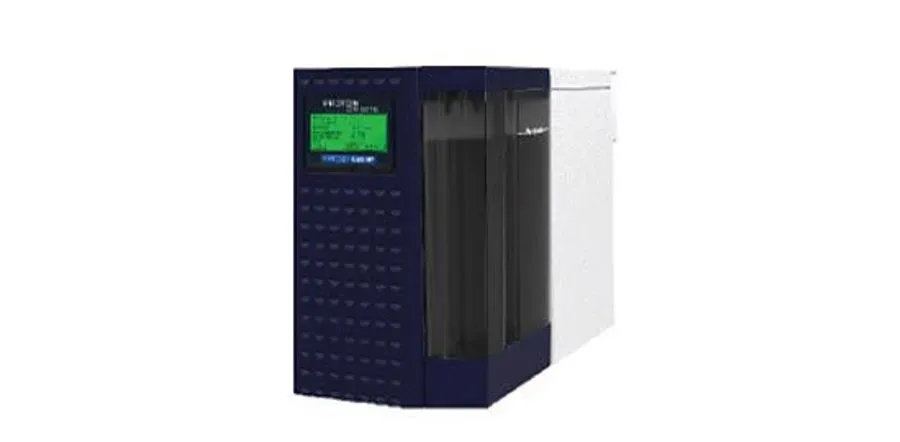
The Proton OnSite line of hydrogen generators is the simpler, more cost-effective, and less complex approach to supplying hydrogen for laboratory and scientific applications.

One sheet, 15 centimetres in diameter and a few tenths of a millimetre thick can store as much as 1 F

System combines biological ion channels with solid-state transistors to create a new kind of electronics

“The only place it may be found in the natural world would be possibly in the core of some planets,” lead author says.

A superflare from a binary star found to be similar in nature to a type of the Sun’s solar flares

Interdisciplinary project to support development of more efficient solar cells, other future materials

Techniques could be economically attractive, ideally leading to a reevaluation of how nuclear waste is processed

“Imagine batteries, capacitors, solar cells, video screens, and fuel cells as thin as a piece of paper,” study author says.

Project is among the first Deep South Challenge funding allocations that will see over $9 million spent on six projects over four years

Stanford scientists have discovered how to make the electrical wiring on top of solar cells nearly invisible to incoming light

Work demonstrates a major advance in the long history of water-based (aqueous) batteries by doubling their voltage