




Laboratory chemical safety failures are no longer confined to isolated incidents. A new investigation by Chemical & Engineering News shows that K–12 science labs across the US contain large volumes of aging, unlabeled, and unstable chemicals that pose serious risks to students, educators, and facilities. The reporting documents corrosives, flammables, toxins, and reactive compounds that have been sitting in classrooms for decades, often without inventories, ventilation, or disposal plans.
For laboratory leaders in research, clinical, and industrial environments, the story exposes vulnerabilities that look uncomfortably familiar. When chemical inventory management breaks down, and hazardous chemical disposal becomes an unfunded afterthought, laboratory chemical safety erodes in ways that remain invisible until something goes wrong.
The growing chemical inventory management gap
The investigation shows how legacy chemicals enter labs through routine operations. Teachers inherit cabinets from previous instructors, receive donated materials from hospitals or research organizations, or purchase chemicals for one-time projects that never get used again. Over time, these materials accumulate, often without centralized chemical inventory management.

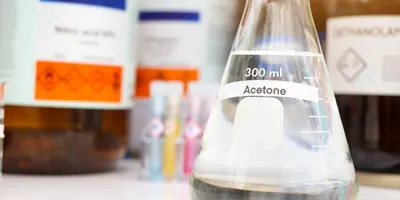
The chemicals found in these K–12 labs include substances that require strict controls in any professional facility, including benzene, chloroform, mercury compounds, silver nitrate, potassium metal, sulfuric acid, sodium hydroxide, acetone, hexane, and toluene. These materials drive Occupational Safety and Health Administration (OSHA) compliance, ventilation requirements, storage compatibility rules, and hazardous chemical disposal planning in regulated labs.
Many of the containers documented in the reporting date back to the 1990s or earlier. Some are corroded, leaking, or emitting fumes. Without active chemical inventory management, staff may not even know what hazards they are responsible for controlling.
Why laboratory chemical safety depends on governance
The core failure described in the investigation is not simply old chemicals. It is the absence of formal laboratory chemical safety systems.
Many of the schools in the reporting lacked chemical hygiene plans, designated safety officers, compatibility-based storage, ventilation controls, and accurate chemical inventories. In some cases, teachers without chemistry training were responsible for identifying hazards, labeling containers, and deciding what required hazardous chemical disposal.
Federal data cited in the article show that about one-quarter of high school physical science teachers and one-quarter of middle school natural science teachers lack a degree or certification in the subject they teach. That reality makes chemical inventory management and laboratory chemical safety highly vulnerable to turnover and staffing gaps.
These same risks exist in research labs, hospitals, and biotech facilities when safety responsibilities are informal or undocumented. Without structured chemical inventory management and routine hazardous chemical disposal, risks accumulate quietly.
Hazardous chemical disposal and legal exposure
Laboratory chemical safety failures carry legal and financial consequences. In 29 states and territories, teachers and administrators can be held liable for chemical safety violations. These rules require chemical hygiene plans, safety training, and designated safety officers.
If a chemical incident occurs, restitution costs can exceed millions of dollars. The same liability frameworks apply to universities, clinical labs, and private research organizations, where regulators and insurers evaluate chemical inventory management and hazardous chemical disposal practices as part of compliance.


Lab Safety Management Certificate
The Lab Safety Management certificate is more than training—it’s a professional advantage.
Gain critical skills and IACET-approved CEUs that make a measurable difference.
The reporting also highlights the financial barrier to proper hazardous chemical disposal. According to the Lab Safety Institute (LSI), single pickup by a licensed hazardous waste contractor typically costs between $6,000 and $8,000. In extreme cases involving unstable or unidentified chemicals, the cost can reach $50,000. Without annual disposal budgets, institutions defer action, allowing laboratory chemical safety risks to grow.
What functional chemical inventory management looks like
Some states and organizations are beginning to treat laboratory chemical safety as core infrastructure rather than an optional expense. Arkansas created a hazardous material disposal fund as part of a broader school safety program, investing up to $100 million in safety improvements, including laboratory cleanup.
Nonprofits and regional cooperatives now provide chemical inventory management support, hazardous chemical disposal funding, and safety training. Programs in New York and Arkansas help schools replace high-risk substances with safer alternatives and establish compatibility-based storage and labeling systems.
These initiatives reflect best practices in regulated laboratories, where laboratory chemical safety depends on documented inventories, routine disposal schedules, trained safety officers, and formal governance.
Interested in lab health and safety?

Why lab managers should pay attention
K–12 schools represent the most resource-constrained end of the laboratory ecosystem, but they are not unique. When chemical inventory management breaks down and hazardous chemical disposal is underfunded, laboratory chemical safety degrades in any environment.
For lab managers, the lesson is not about classrooms. It is about systems. Chemical inventories, disposal contracts, training programs, and safety leadership determine whether risks remain controlled or silently accumulate.
The C&EN investigation shows what happens when those systems fail. For laboratory leaders responsible for safety, compliance, and operational continuity, it is a reminder that laboratory chemical safety does not collapse overnight. It deteriorates one bottle at a time.
This article was created with the assistance of Generative AI and has undergone editorial review before publishing.





