Today’s labs might include a Gen Z lab technician, a Gen X manager, and a Baby Boomer lead investigator. Different backgrounds. Different tools. Same mission: keep research running safely and smoothly.
As lab teams grow more age-diverse, safety programs are gaining new depth. This shift isn’t only about demographics. It also brings a strategic advantage. Each generation contributes unique strengths that shape how EHS programs operate:
- Baby Boomers offer institutional memory. Many have lived through major regulatory changes and safety incidents, giving them an intuitive grasp of risk and compliance history.
- Gen X balances hands-on lab work with leadership. They translate complex regulations into practical workflows and often hold teams steady during change.
- Millennials drive digital consistency. They streamline processes, improve documentation, and push for scalable systems that reduce manual work.
- Gen Z expects transparency. With strong data instincts and a real-time mindset, they question inefficiencies and push for sustainability and accountability.
Together, these strengths help labs stay safer, more practical, and ready to grow with changing needs.
A day in the life: Bridging generations in real time
As part of a routine pre-audit check, a Millennial lab manager reviews chemical inventory in the lab’s digital safety system. Most containers are properly logged, but one entry shows a chemical still in use, even though the team switched to an alternative weeks ago. She flags it for review.
A Gen Z research assistant, who helped run the recent experiment, steps in to clarify. They mention that the old material was moved to secondary storage, but wasn’t updated in the system. It’s a small gap, but one that could raise questions during an inspection.

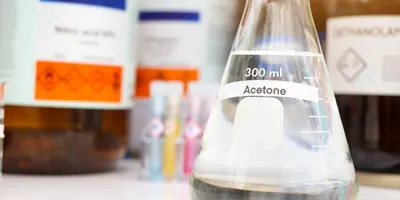
A Baby Boomer EHS lead joins the conversation and shares how similar mismatches have drawn scrutiny in past audits. Rather than focusing on previous entries, they recommend setting up a clearer process for logging chemical changes when materials are phased out or relocated. The conversation shifts from fixing a one-off mistake to improving the overall handoff process.
Together, the team walks through how to log these changes more clearly moving forward. The lab manager adds a short note to the team protocol so that the new workflow becomes standard practice.
It’s a simple exchange that turns a routine check into a learning moment. And it shows how experience, fresh perspective, and collaborative problem-solving all have a role in keeping the lab audit-ready.
Aligning strengths across generations
Multigenerational teams thrive when they intentionally align their skills and styles. Successful labs often share these traits:
- Integrated safety systems: Digital platforms help streamline audits, reporting, and hazard tracking, with accessibility features that accommodate all users.
- Peer-to-peer mentorship: Gen Z and Millennial team members lead sessions on collaborative software and automation, while Gen X and Boomers share regulatory context, inspection prep tips, and lessons learned from past incidents.
- Collaborative SOP development: Safety procedures are refined by team members from different generations to ensure they are realistic, clear, and inclusive.
- Multi-channel communication: Important updates and reminders are shared via email, chat, and team huddles to accommodate varied preferences.
- Generational pairing on projects: Pairing team members from different generations on inspections, risk assessments, or process updates creates new pathways for learning and reduces siloed knowledge.
When generational knowledge is proactively shared, labs gain continuity. Senior team members know that their hard-earned experience won’t be lost, while younger staff feel empowered to contribute new thinking to long-standing processes.
Creating shared ownership of safety
One of the most effective ways to build engagement across generations is to shift safety ownership from a top-down directive to a team-driven mindset. This approach works especially well in labs where EHS isn’t just a department, but a culture.
- Assign safety roles across levels: Involve early-career staff in safety inspections or internal audit planning. Give seasoned staff a chance to mentor, not just manage.
- Celebrate contributions publicly: Recognize when team members spot a hazard, update documentation, or improve a process. These recognitions reinforce that everyone plays a role.
- Invite feedback on safety systems: Create regular opportunities to review digital tools, protocols, and training, then act on that feedback to build trust.
By creating visible, shared ownership, labs send a message that safety isn’t about control. It’s about care, accountability, and collective success.
Embracing differences without judgment
The key to cross-generational teamwork is recognizing differences without assigning blame. Leaders who foster this mindset see stronger engagement and more open communication. But even strong teams can fall into common traps:
- Avoid assuming resistance to change is age-based. Many experienced professionals are eager to learn and simply need relevance and support.
- Don’t expect younger staff to instantly understand historical workflows. Digital fluency doesn't always translate into familiarity with regulatory reasoning or compliance structure.
- Resist standardized training across the board. Tailored learning paths based on role, responsibility, and experience are far more effective.
- In many labs, training fatigue is real. If staff at different experience levels are all required to sit through the same sessions, the material often becomes irrelevant for some and redundant for others. Instead, labs are increasingly offering modular training, where staff choose from tracks that fit their needs. Newer employees may start with foundational topics such as PPE, chemical hygiene, and incident reporting, while experienced staff focus on targeted refreshers tied to evolving regulations, audit readiness, or higher-risk procedures. Modules can also be offered in multiple formats, including short videos, hands-on demonstrations, quick-reference job aids, and scenario-based discussions, helping reinforce key behaviors in ways that match different learning preferences and daily lab realities.
Cultivating a culture of continuous learning
The most effective teams embed learning into daily lab life. They view development as a shared responsibility, not a top-down mandate:
- Regular team debriefs: After audits or safety events, teams review what worked and what didn’t, with input from every level.
- Real-time coaching: When incidents occur, team members step in to explain not just what went wrong, but why the fix matters.
- Story-based learning: Senior EHS staff share examples from their careers to build institutional memory and bring policies to life.
- Onboarding buddies: Pairing new hires with mentors from different generations helps them ramp up faster and see the lab from multiple perspectives.
- Rotating leadership roles: Assigning rotating responsibilities for monthly safety meetings or equipment checks keeps everyone engaged and prevents burnout.
By normalizing feedback and reflection, labs create psychological safety where everyone, regardless of age or role, feels heard.
Looking forward, together
Lab leaders who recognize the value of age diversity are building more cohesive teams and fostering more resilient lab cultures. They create environments where historical knowledge guides new approaches, and where innovation is built on well-established principles.
The most effective multigenerational EHS teams acknowledge their differences. They talk openly about them. They plan with them in mind. And they stay focused on a common goal: making the lab a safer place for everyone.
Some structural and outline support was developed using AI tools, with the final article written and edited entirely by the author.