The US Food and Drug Administration has cleared a new multiplex gastrointestinal PCR assay designed to streamline the detection of common diarrhea-causing pathogens from a single patient sample. The regulatory clearance allows Cepheid to market its Xpert GI Panel for clinical use in the US, expanding FDA-cleared molecular tools available for gastrointestinal pathogen detection.
Gastrointestinal infections remain a frequent cause of clinical testing, often presenting with overlapping symptoms that complicate diagnosis. For clinical laboratories, identifying the underlying cause quickly is essential for supporting treatment decisions and infection control, particularly in high-risk or high-throughput settings. Multiplex GI PCR tests are increasingly used to address these challenges by consolidating testing into a single assay and reducing time to results.
What the FDA-cleared multiplex GI PCR test detects and how it works
The FDA-cleared multiplex GI PCR test is designed to detect and identify 11 clinically relevant gastrointestinal pathogens, including bacterial, viral, and parasitic targets, directly from stool specimens collected in Cary-Blair transport media. The assay runs on GeneXpert systems equipped with 10-color multiplexing modules, enabling simultaneous detection of multiple targets in a single test run.

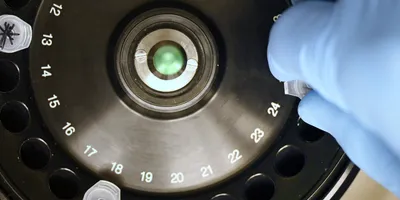
According to Cepheid, the workflow requires less than one minute of hands-on time, with results available in approximately 74 minutes. For laboratories managing staffing constraints or fluctuating test volumes, reduced manual processing may help improve consistency and throughput, particularly during peak gastrointestinal illness seasons.
Unlike traditional stool culture methods, multiplex PCR amplifies pathogen-specific genetic material, enabling detection even when organisms are present at low abundance or when multiple pathogens are involved. For lab managers, this approach may reduce the need for sequential testing or reflex workflows while providing broader gastrointestinal pathogen detection from a single sample.
Operational considerations for lab managers
While FDA clearance establishes clinical performance and regulatory compliance, adoption of a multiplex PCR GI panel still requires operational evaluation at the laboratory level. Laboratories already running GeneXpert systems may be able to add the assay without introducing a new platform, though use of the test depends on the availability of 10-color modules or system upgrades.
Workflow integration is another consideration. Introducing a multiplex GI PCR test may prompt labs to revisit diagnostic algorithms, utilization criteria, and reporting practices, particularly where culture-based methods or single-pathogen PCR tests are currently used. Lab managers may also need to coordinate with clinical teams to ensure appropriate ordering and interpretation of broad-panel results.
Staffing implications are equally relevant. While reduced hands-on time can ease manual workload, increased reliance on molecular testing may shift staffing needs toward molecular competency, quality oversight, and result management.
Positioning within gastrointestinal testing menus
Cepheid positions the Xpert GI Panel as complementary to its existing standalone PCR assays for gastrointestinal pathogens, including Clostridioides difficile and norovirus. For laboratories, this raises practical questions about when broad multiplex testing is most appropriate compared with targeted assays, taking into account patient population, clinical guidelines, and cost considerations.
“The Xpert GI Panel is designed to help healthcare providers identify the cause of infectious diarrhea acquired in the community,” said Dr Connie Savor, chief medical officer at Cepheid. “By focusing on the most common causative pathogens, we’ve created a panel that balances clinical relevance with operational efficiency.”
Lab manager considerations
The assay has received clearance from the US Food and Drug Administration as an in vitro diagnostic medical device for use in the US. For lab managers evaluating molecular testing strategies, the FDA-cleared multiplex GI PCR test adds another option to consider when balancing diagnostic coverage, workflow efficiency, and platform utilization in gastrointestinal pathogen detection programs.
This article was created with the assistance of Generative AI and has undergone editorial review before publishing.