


Lab Safety

The refrigerator most labs need for solvents isn’t explosion-proof. It’s a flammable material storage unit, which costs less and does the job.
| 5 min read

“Does not protect personnel.” That warning appears on product listings for PCR workstations, yet these hoods are still used to open infectious specimens. In PCR, the biosafety risk sits almost entirely before the sample is inactivated.
| 5 min read
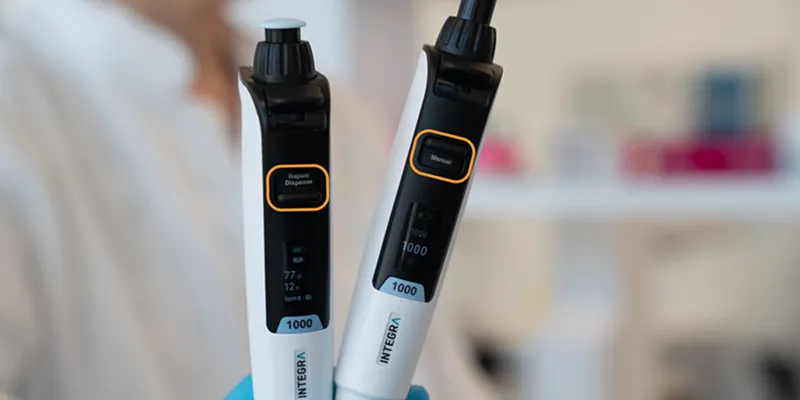
Enjoy the flexibility of manual and electronic pipetting, with simple repeat dispensing and ergonomic features designed for greater comfort
| 1 min read

OSHA citation data reveals common gaps in energy-control procedures, training, and inspections—and where lab managers should check their own programs
| 4 min read

The unresolved cause highlights the value of clear exposure reporting, staff competency, and occupational health coordination
| 3 min read

They had lab coats. A safety inspection had flagged that people weren’t wearing them. Two months later, a researcher died. Most PPE failures aren’t equipment failures. They’re program failures, and lab managers own the program.
| 5+ min read

Most lab safety glasses are impact protection, not splash protection. The difference is printed on the frame. Here’s how to read ANSI Z87.1 markings and match eyewear to the hazards your people actually face.
| 5+ min read

“Flame resistant” on a lab coat label doesn’t mean what most assume. It wasn’t tested with solvent soaked into it, and it may not resist acids at all. No coat covers every hazard, so choose by task, and layer when needed.
| 5+ min read

People wear PPE according to the risk they feel, not the risk they face. That’s why rules alone rarely fix compliance. Making the right PPE easy, expected, and visibly modeled by leaders does.
| 5 min read

Many lab oven fires don’t start with the sample. They start with the rinse. Here’s why ordinary ovens ignite solvent vapor, what a Class A oven actually does, and how to keep flammables out of the heat.
| 5+ min read

An oxygen monitor in an incubator room can stay quiet while CO2 climbs to dangerous levels. Here’s why CO2 and inert gases need different detectors, and how to run the cylinders that feed your incubators safely.
| 5+ min read

Most labs spend their electrophoresis safety effort on the stain. The injuries more often come from the light box and the power supply. Here’s how to rebalance the program.
| 5+ min read






