


Life Science Technology

Although we love ZZ Top, this article will not delve into the iconic rock band; rather, it will discuss the safe handling of cryogenic materials.

Understanding "How It's Made Matters" was the tenet around which the Helmer Scientific Ultra-Low Freezer was designed and developed. Care was taken to focus on each aspect of the product to ensure that every component works together to create an optimized system that instills confidence in the user.

Agricultural officials who seek to detect diseases affecting the commercial swine industry may gain a new ally — a biological detection system developed by Lawrence Livermore National Laboratory (LLNL) researchers.
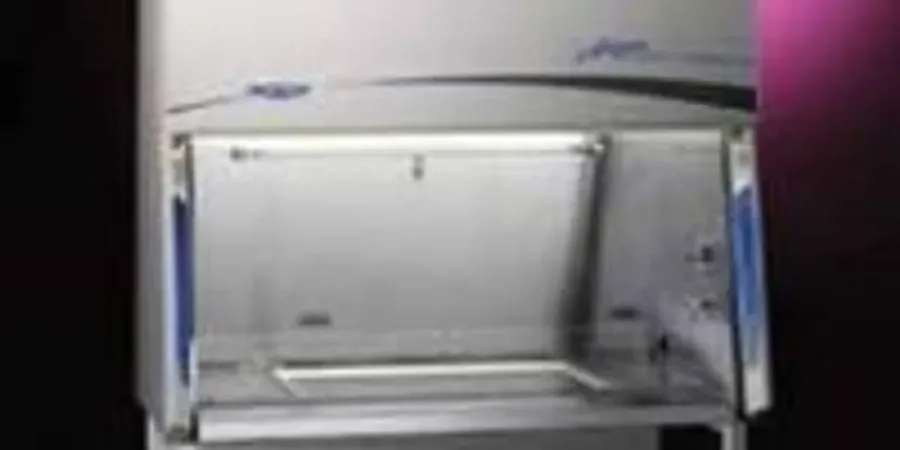
Abstract: A new Type of Class II BSC has emerged that will simplify the selection process and provide true flexibility in modern laboratories needing both chemical and biological protection. Along with 3rd party validation in biological challenges by NSF International®, the Purifier Axiom Class II BSC was put under
ASHRAE 110 containment testing for chemical hazards to verify its ability to handle chemical hazards as well as a fume hood.

Freezers and refrigerators are an integral part of any laboratory that requires temperature controlled storage.

Bacteria-specific molecules attract pre-existing antibodies to help immune system clear infection.

Cell-based assays have become the go-to technology for pharmaceutical, environmental, and toxicology labs. Cells are far less costly to maintain than test animals and don’t involve the ethical considerations. But the complexity of cell-based assays compared with chemical or biochemical assays presents distinct challenges to laboratory managers.

This webinar will explore the various factors that affect RH in CO2 incubators, as well as evaluate the effects of the available humidity control/management technologies on culture growth, contamination prevention/control and condensation.
Available on Demand
Antibodies are specific molecules that can lock onto a particular cellular structure to start, stop or otherwise temper a biological process. Because they are so specific, antibodies are at the forefront of drug discovery. So drug companies want a faster route to step one: identifying which of the millions of possible antibodies will work against molecules that cause disease.

INTEGRA has published a new customer video* from the Institute of Clinical Chemistry research group at the Technical University of Munich (TUM), in which researcher Christina Thomas reviews how the VOYAGER multichannel pipette has accelerated their sample screening and genotyping assays.

Refrigeration and air conditioning may become more efficient and environmentally friendly thanks to the patent-pending work of Louisiana State University (LSU) physicists. The team of researchers led by LSU Physics Professor Shane Stadler has discovered a breakthrough magnetocaloric material that may change the energy industry, including air conditioning and food refrigeration.

At SLAS2015, the 4th Annual Conference and Exhibition of the Society for Laboratory Automation and Screening, attendees got to check out a particularly versatile multimode microplate reader.


