


Life Science Technology

The quest for effective solid-state refrigeration has led to many near misses, yet engineers continue to investigate

Designed by YOU...for YOU! We at Z-SC1 Biomedical pride ourselves on being a different kind of company, one that has adapted to the 21st century and its rapidly changing and evolving technology.

Whether you need a reader or a handler, Lab Manager's resource guide can help when purchasing microplate technology.

Having the right incubator can be crucial to a lab's cells. Let the 2016 Product Resource Guide help you choose the right one.

Cytation™ 5 is a uniquely integrated, configurable system that combines automated digital widefield microscopy with conventional multi-mode microplate detection to provide phenotypic cellular information and well-based quantitative data.

What to know when purchasing cold storage equipment for your lab.

Lab Manager's guide to purchasing a biological safety cabinet

UNC’s Brian Strahl, PhD, and Van Andel Research Institute’s Scott Rothbart, PhD, create a robust online interactive database to address science’s ‘antibody crisis.’

Beckman Coulter Life Sciences announced July 20 an expansion of its CARES (Cellular Accessible Retroviral Evaluation Systems) Initiative at the 2015 International AIDS Society (IAS) Conference, being held at the Vancouver Convention Centre from July 19-22, 2015 in Vancouver, Canada. CARES focuses on providing innovative solutions for the monitoring of HIV and AIDS treatment in Africa.

Problem: Microplate readers are a common lab commodity; they’re used across research and drug discovery to detect the occurrence of biological events. However, the potential for experimental errors is a frustrating reality. An incorrect dispensing position, for example, will provide unreliable results—requiring researchers to re-run the assay or, if undetected, lead to faulty data. The same is true if the dispenser isn’t properly primed.
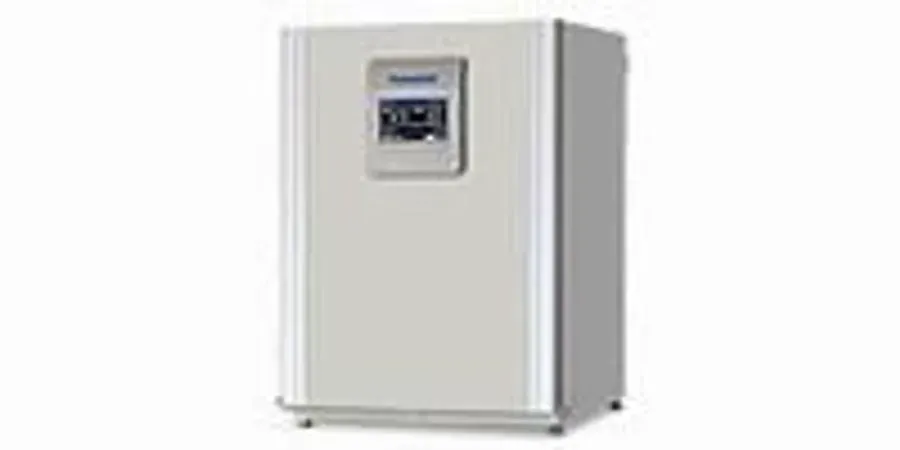
In today’s era of cell culture experimentation and production, scientists rely on a tightly controlled, decontaminated environment within their CO2 incubators to precisely simulate the in vivo conditions from which mammalian cells originate. While designing the PHC cellIQ™ CO2 incubator, we implemented cutting edge technology to address key concerns and provide effective solutions for problems during daily culturing operations. The cellIQ™ was designed with your experiments in mind, so that precision of our incubator ensures precision in your data.

Radio Frequency Identification (RFID) is a method of determining the identity of an item using radio frequency communication. RURO’s FreezerPro® RFID edition software creates a unique ID number for each laboratory vial (or box, or freezer) and associates the number with sample information and location.


