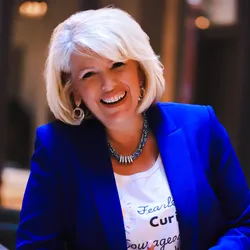
Leading teams with generational diversity is challenging. It can be hard to get past the stereotypes and develop communication and effective interactions with people from different generations who hold different values and have different needs from their leaders. Lab managers can use their curiosity to explore these differences and bring out the best in every member of their team. To learn more about engaging staff from different generations, we talked with Katie Trowbridge, CEO of Curisoity2Create.
Q: Why do you think that building stronger multigenerational teams resonates so much right now?
A: Workplaces are craving connection and meaning across generational lines more than ever. Each generation brings unique values: Gen Z's focus on purpose, Millennials' drive for authenticity, Gen X's pragmatism, and Baby Boomers' experience. The challenge lies in bridging these differences through curiosity and deeper thinking, and connection, not just tolerance. When leaders embrace this, they unlock innovation, engagement, and resilience. It's about creating a culture where everyone feels they belong and can contribute their whole selves, regardless of age.

Q: Many lab managers struggle to bridge generational differences. What are the most common challenges you see when managing multigenerational teams?
A: The challenges are rooted in assumptions and miscommunication. Leaders stereotype, assuming older generations resist change or younger ones lack a work ethic. Different values create conflicting expectations: Gen Z prioritizes purpose and flexibility while Baby Boomers emphasize loyalty and structure. Communication styles vary, causing misunderstandings. Many employees suffer from "quiet cracking," a slow disengagement that looks like "I'm fine" but masks loneliness or lack of challenge. Without psychological safety, team members hold back, reducing collaboration and creativity.
Q: Your CREATE Method is a framework for developing stronger connections at work. Can you share how this approach can help lab managers foster collaboration across age groups?
A: The CREATE Method centers on six leadership roles essential for bridging generational divides. As a content curator, you cultivate curiosity and elevate diverse voices, asking "What matters to you?" instead of relying on assumptions. As a risk facilitator, you normalize experimentation and vulnerability, creating psychological safety where all generations feel comfortable speaking up. As an experience navigator, you design emotionally safe, intellectually engaging workflows that respect different communication styles. As an attitude shifter, you lead with compassion and curiosity, building cultures where everyone feels seen regardless of age. As a team transformer, you cultivate empathy and celebrate the unique strengths each generation brings. As an evaluation designer, you shift feedback from judgment to growth, recognizing contributions tied to values and learning.
Q: How can lab managers tailor their leadership approach to motivate and engage Gen Z, Millennials, Gen X, and Baby Boomers simultaneously?
A: Tailor leadership by understanding core values while leading with flexibility. Gen Z needs purpose, psychological safety, and meaningful contribution. Millennials want growth, connection, and feedback-rich environments. Gen X values independence and autonomy with clear expectations. Baby Boomers need recognition of their experience and mentorship opportunities. Avoid one-size-fits-all approaches.
Q: Communication and the lack of human connection are often where generational tension shows up most. What are some strategies you can teach lab managers to ensure their messages resonate across different age groups?
A: Communication breakdowns aren't about the medium; they're about meaning. Move from transactional to relational communication. Before sending that update, ask: "What does this person need to know, and why does it matter to them?" Gen Z wants context and purpose. Millennials want clarity and growth opportunities. Gen X wants efficiency and autonomy. Baby Boomers want acknowledgment of their experience. Diversify your approach. Some need to process alone; others need real-time dialogue. Most importantly, make human connection non-negotiable. Start meetings with genuine check-ins: "What's on your mind today?"
Q: What misconceptions do you see leaders carrying about Gen Z, Millennials, Gen X, or Baby Boomers—and how do those misconceptions hold teams back?
A: Gen Z gets labeled as entitled and fragile, but they're not afraid of hard work; they're afraid of meaningless work. When they ask, "Why does this matter?" they're thinking critically, exactly what we want from future leaders. Millennials aren't job-hoppers needing constant praise; they're leaving because they're not growing. Gen X isn't cynical; they're pragmatic and resourceful, wanting autonomy and respect. Baby Boomers aren't resistant to change; many are still curious and learning, wanting to contribute meaningfully. These misconceptions create invisible walls that shut down curiosity and kill psychological safety.

Lab Quality Management Certificate
The Lab Quality Management certificate is more than training—it’s a professional advantage.
Gain critical skills and IACET-approved CEUs that make a measurable difference.
Q: What practical steps can a lab manager or any leader take to build trust and collaboration across age groups?
A: Pair people from different generations on real projects where they think together. Establish two-way mentorship where Boomers teach organizational navigation while Gen Z teaches emerging tech. Normalize vulnerability in your leadership by sharing your uncertainties and learning edges. Design decision-making that genuinely includes diverse voices: "What are we missing?" "Who sees this differently?" Celebrate diverse contributions publicly, not just outcomes but the thinking and courage behind them. Trust builds in micro-moments: how you respond to mistakes, whether you follow through, if you make space for inconvenient ideas.
Q: What lessons from your work can managers apply to their own teams?
A: Connection isn't a soft skill; it's the foundation of everything that matters in leadership. Curiosity is your most underrated tool. "What's really going on for you?" gives you strategic data about your culture and hidden barriers. Psychological safety is non-negotiable. When people can't speak up or admit mistakes, you lose their best thinking. The most dangerous team members aren't those who push back; they're the ones who've gone quiet. Disengagement often looks like compliance. People meet deadlines but stop volunteering ideas. Finally, culture is created in micro-moments: how you respond to mistakes, whether you follow through, if you make time for real conversation.
Q: You’ve spoken about hidden workplace challenges like "quiet cracking," where employees appear fine on paper but are disengaged underneath. How can managers spot and address this early, especially across different generations?
A: Quiet cracking hides behind "I'm fine." It looks like withdrawal from meetings and turning cameras off, becoming cynical about growth opportunities they once pursued, isolation, and stopping their usual problem-solving contributions. Notice shifts: who's gone from speaking up to being silent? They're meeting deadlines, but the spark is gone. Approach with curiosity in a private, psychologically safe conversation: "I've noticed you seem less engaged. What's really going on for you?" Build a culture where people feel safe being honest before reaching the cracking point. Make "How are you really doing?" a regular practice.