Product
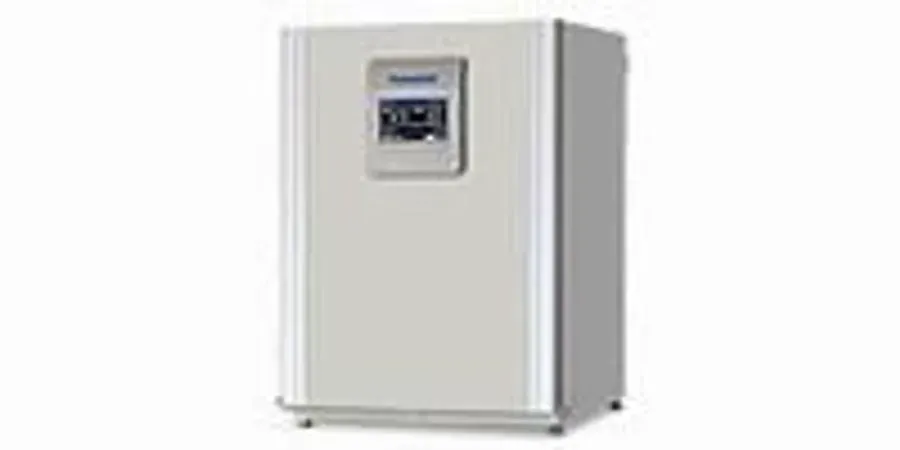
In today’s era of cell culture experimentation and production, scientists rely on a tightly controlled, decontaminated environment within their CO2 incubators to precisely simulate the in vivo conditions from which mammalian cells originate. While designing the PHC cellIQ™ CO2 incubator, we implemented cutting edge technology to address key concerns and provide effective solutions for problems during daily culturing operations. The cellIQ™ was designed with your experiments in mind, so that precision of our incubator ensures precision in your data.
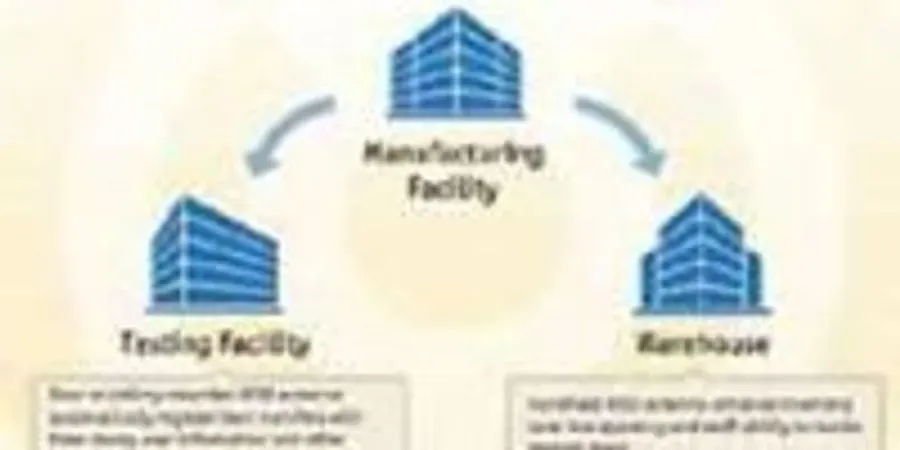
Radio Frequency Identification (RFID) is a method of determining the identity of an item using radio frequency communication. RURO’s FreezerPro® RFID edition software creates a unique ID number for each laboratory vial (or box, or freezer) and associates the number with sample information and location.

Automated liquid handlers have become indispensable by virtue of freeing operators for other tasks while providing consistency and reproducibility.

Centrifuges used in blood banks and clinical settings are identical in function to those found in chemistry or biology labs, but methods and objectives may differ significantly depending on the end use.

If everything in a lab gets attached to walls or the floor, evolving lab requirements and processes require ramshackle solutions. But what if things could move around? That’s what flexible casework allows.

The United States government—nearly 14 years after September 11, 2001— continues to invest heavily in homeland security. In fact, the president’s 2015 budget calls for US$38.2 billion for the Department of Homeland Security, and that equals more than 20 percent of the country’s gross domestic product (GDP).

Understanding "How It's Made Matters" was the tenet around which the Helmer Scientific Ultra-Low Freezer was designed and developed. Care was taken to focus on each aspect of the product to ensure that every component works together to create an optimized system that instills confidence in the user.

In biopharmaceutical research and manufacturing, many processes involve sophisticated separations. One of the most advanced separation technologies is ultra-high-performance liquid chromatography (UHPLC). “There are two reasons to use UHPLC,” says Ken Cook, sales support expert, bioseparations and bio market Europe for Thermo Fisher Scientific (Waltham, MA). “The first is speed, and the second is resolution.”

Renewed interest in cell biology has created the need for techniques that efficiently disrupt cells’ outer membranes while sparing their contents.

To most lab workers, even those who spend much of their days at or near fume hoods, these safety enclosures are part of the furniture or infrastructure. A hood is a hood is a hood—except when processes require special services or utilities. While many hoods are indeed production-level, off-the-shelf products, almost any productivity- or safety-enhancing feature may be added to standard models.

A fluid's complexity and the questions to be answered determine the right technology

Thawing cells in a regulated environment presents many challenges. The need to minimize variability through standardization is crucial. Whereas the science of cell freezing has become highly standardized in order to improve and retain optimal viability and function, cell thawing has been overlooked and has much to gain from similar standardization.