


Product in Action
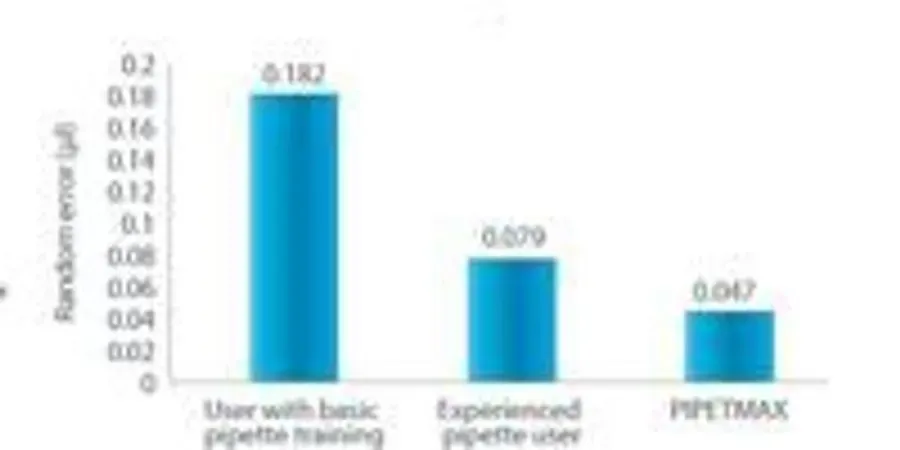
When preparing biological samples, you need a lab assistant you can trust, one that is focused on consistency and reproducible results across 10's and 100's of samples.
The Andrew product family is unique in the liquid handling arena: It consists of portable, ready to use companion robots using conventional pipettes that can be used anywhere with little to no training.

Exosomes purification and analyses comprise a fast evolving research area; more than 70% of published research on exosomes has been done within the last six years.
Stain-free gel chemistry uses a unique compound, which, when activated, reacts with tryptophan residues in the protein sample to emit a fluorescence signal. This allows the quick visualization of proteins without any staining steps. In addition, stain-free gel chemistry makes it possible to use total protein levels as a loading control rather than the housekeeping proteins used in traditional western blotting protocols. This negates the need to strip and reprobe blots and prevents any attendant errors that can be introduced at this step.
Demand for trace metals analysis in the environmental laboratory is growing strongly due to stricter environmental regulations. ICP has previously been the standard for metals analysis, but as demand for lower detection levels grows, labs are experiencing a significant transition to ICP-MS. This transition is placing increased emphasis on the sample preparation method.

Labconco Corporation has combined its patented fully-featured Protector Hood design with Erlab’s GreenFumeHood (GFH) Technology to deliver a multi-use fume hood that requires no ducting. The Protector Echo delivers safety, energy savings, and adaptability to ever-changing laboratory spaces.
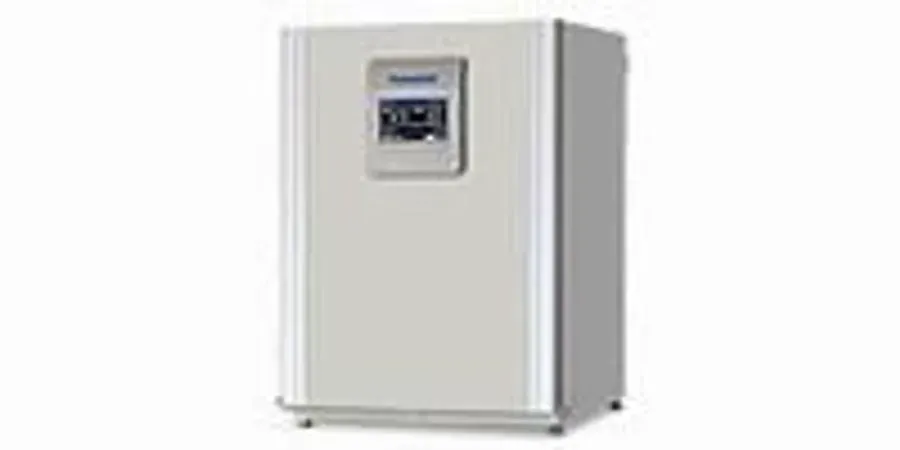
In today’s era of cell culture experimentation and production, scientists rely on a tightly controlled, decontaminated environment within their CO2 incubators to precisely simulate the in vivo conditions from which mammalian cells originate. While designing the PHC cellIQ™ CO2 incubator, we implemented cutting edge technology to address key concerns and provide effective solutions for problems during daily culturing operations. The cellIQ™ was designed with your experiments in mind, so that precision of our incubator ensures precision in your data.
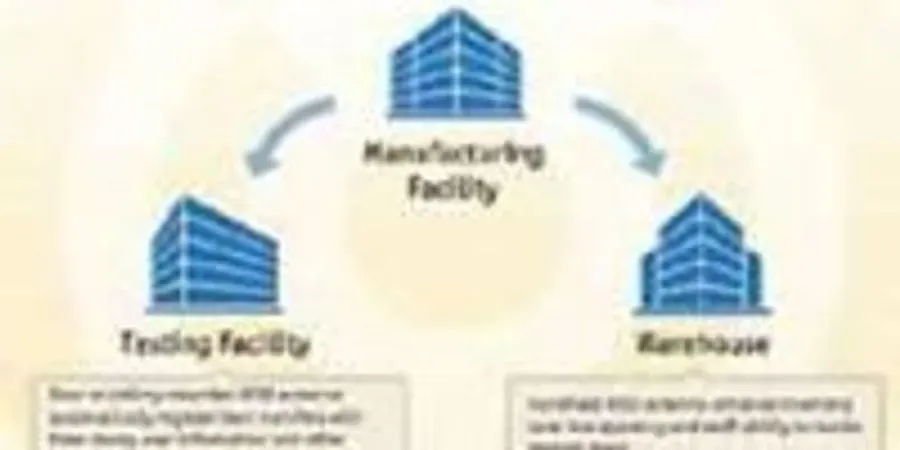
Radio Frequency Identification (RFID) is a method of determining the identity of an item using radio frequency communication. RURO’s FreezerPro® RFID edition software creates a unique ID number for each laboratory vial (or box, or freezer) and associates the number with sample information and location.

Understanding "How It's Made Matters" was the tenet around which the Helmer Scientific Ultra-Low Freezer was designed and developed. Care was taken to focus on each aspect of the product to ensure that every component works together to create an optimized system that instills confidence in the user.
Thawing cells in a regulated environment presents many challenges. The need to minimize variability through standardization is crucial. Whereas the science of cell freezing has become highly standardized in order to improve and retain optimal viability and function, cell thawing has been overlooked and has much to gain from similar standardization.
In 2014 the State of California was in the midst of an unprecedented drought with a big drive from the State of California University Office of the President to save water.
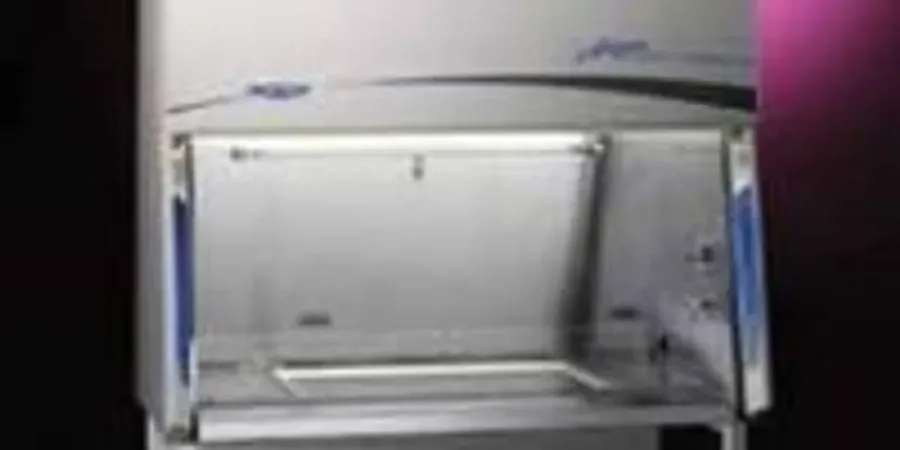
Abstract: A new Type of Class II BSC has emerged that will simplify the selection process and provide true flexibility in modern laboratories needing both chemical and biological protection. Along with 3rd party validation in biological challenges by NSF International®, the Purifier Axiom Class II BSC was put under
ASHRAE 110 containment testing for chemical hazards to verify its ability to handle chemical hazards as well as a fume hood.


