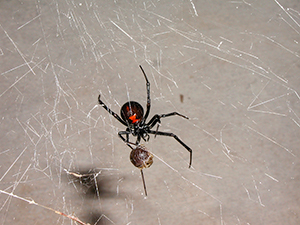
Spider Web Research Shows Promise for Noninvasive Genetic Sampling

In the study, spider and prey DNA remained detectable at least 88 days after living organisms were no longer present on the web

Written byUniversity of Notre Dame
| 2 min read
Register for free to listen to this article
Listen with Speechify
0:00
2:00

Using web samples from black widow spiders fed with crickets, researchers at the University of Notre Dame have successfully used DNA samples to identify both the spider and the species of its prey. Such noninvasive sampling to obtain genetic information could have practical implications in several fields including conservation research and pest management.

To continue reading this article, sign up for FREE to

Lab Manager Logo
Membership is FREE and provides you with instant access to eNewsletters, digital publications, article archives, and more.
Add Lab Manager as a preferred source on Google

Add Lab Manager as a preferred Google source to see more of our trusted coverage.

Related Topics

CURRENT ISSUE - January/February 2026

How to Build Trust Into Every Lab Result

Applying the Six Cs Helps Labs Deliver Results Stakeholders Can Rely On

Lab Manager January/February 2026 Cover Image