Product Resource: Applications

Inductively coupled plasma optical emission spectrometry (ICP-OES) is used for elemental analysis of everything from soil and sludge to water and wastewater, plus various industrial process materials. In evaluating ICP-OES instruments, environmental contract laboratories may prioritize sensitivity and speed. Industrial research laboratories may emphasize stability and analytical precision. However, both agree on the importance of controlling costs.

Viscometers, Rheometers, Texture Analyzers and Powder Flow Testers

Problem: Many service or contract laboratories need to process the same sets of samples on a regularly-scheduled basis. In addition, many processes within factories of various types require collection of samples at pre-set dates and times to ensure the quality of the product being produced. One example is collection of air and surface samples to test the sterility of rooms used in the production of pharmaceuticals, foods, and medical devices. Another example is collection of samples during beer production. The task of logging these samples into a LIMS (laboratory information management system) can be cumbersome and time-consuming and it is easy to miss collection of a scheduled sample. Although these are two entirely different scenarios, both require the same basic scheduling of multiple sample collections.

Problem: At this very moment across the United States, thousands of digital eyes watch over laboratory equipment. It’s nothing scary; it’s the way we protect fragile samples from being damaged or destroyed. From facilities stocked with vaccines for the flu season ahead, to embryos frozen for future fertility treatments, life and livelihoods are literally on the line. For this reason, laboratories use continuous monitoring systems to closely watch over the environment of their specimens during experimental, growth and storage phases.

Most food producers are subject to a broad range of regulations and standards, from industry-wide ones such as ISO 22000 (which sets out several communications and system management guidelines), the United States Food Safety Modernization Act (FSMA) of 2011 and the European Union Regulation (EC) No. 178/2002 to process-specific ones like the Egg Products Inspection Act (EPIA) or the Federal Meat Inspection Act (FMIA).

Protecting your life’s work with a proper monitoring system has become increasingly important in research. A study conducted by Stanford University revealed that more than $2 billion worth of samples were stored within their freezers. Furthermore, many biorepositories and biobanks have hundreds of freezers storing priceless samples.

Hettich Lab Technology’s UNIVERSAL 320 benchtop centrifuge offers versatility, longevity, and efficiency within a compact footprint. The UNIVERSAL 320 is a midsized single-solution premium centrifuge well suited and easily adapted for many applications. Lab managers across the globe choose the UNIVERSAL 320 as an investment to serve diverse projects for years to come.

Problem: Achieving successful PCR (polymerase chain reaction) results requires proper control of many factors and parameters. The yield—quantity and quality—of amplified DNA is often essential for downstream applications and ultimately successful completion of experimental research. PCR reagents, consumable sample vessels, and the thermal cycler instrument must all be properly chosen for the specific PCR application, and must also meet quality and performance requirements. In addition to these components that must work correctly in conjunction, sample preparation is typically done manually and must be done with care and accuracy.
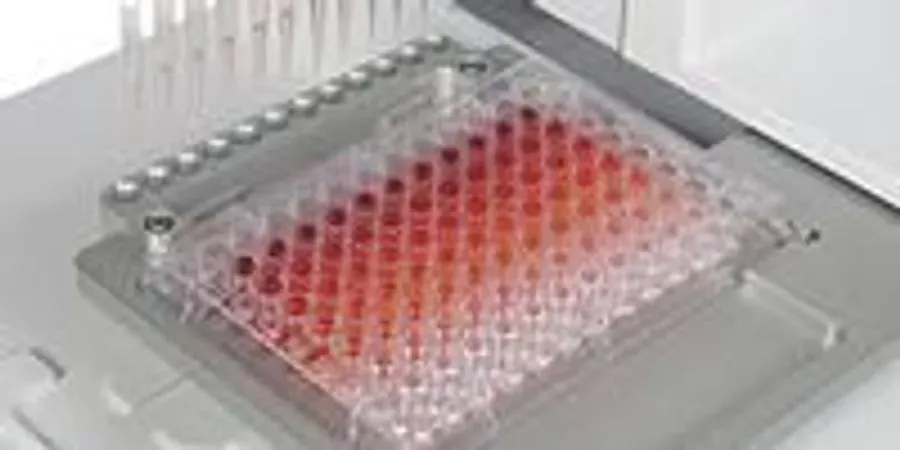
Multichannel pipettes are invaluable when working with multiwell plates. However, prolonged and repetitive pipetting sessions bear the risk of strain and fatigue, often resulting in repetitive strain injuries (RSI) and less reproducible results.

Problem: Research, QA/QC, and other laboratories ranging from large enterprise facilities to small analytical service centers are under increasing pressure to reduce costs and increase efficiency, productivity, and quality. To reduce operating costs, lab managers know they must find ways to speed turn-around and maximize throughput. To improve productivity and quality, it’s essential for them to easily access information that will allow them to efficiently staff the laboratory, allocate assets, and optimize workflows while adhering to strict quality standards and ensuring regulatory compliance.