


Chemistry

Nanomaterials are utilized in an array of diverse applications from chemical production to medicine and light-emitting devices

Aging often improves the flavor of wine, but sometimes the beverage emerges from storage with an unpleasant smell

Whether it’s in a busy university lab or a large industrial laboratory, the issue of productivity has long been the source of sleepless nights for chemists worldwide.

The “democratization” of nuclear magnetic resonance (NMR) spectrometers has been accompanied by multiprobe, multi-nuclide capability.

Often, printed materials get used once and are then discarded, creating waste and potentially pollution

Inosine could be a potential route to the first RNA and the origin of life on Earth

The finding could change ideas of how and when complex life evolved on Earth

A Harvard team has developed an improved system to use renewable electricity to reduce carbon dioxide into carbon monoxide

UCLA/Caltech team uncovers a new and simple way to learn the structures of small molecules
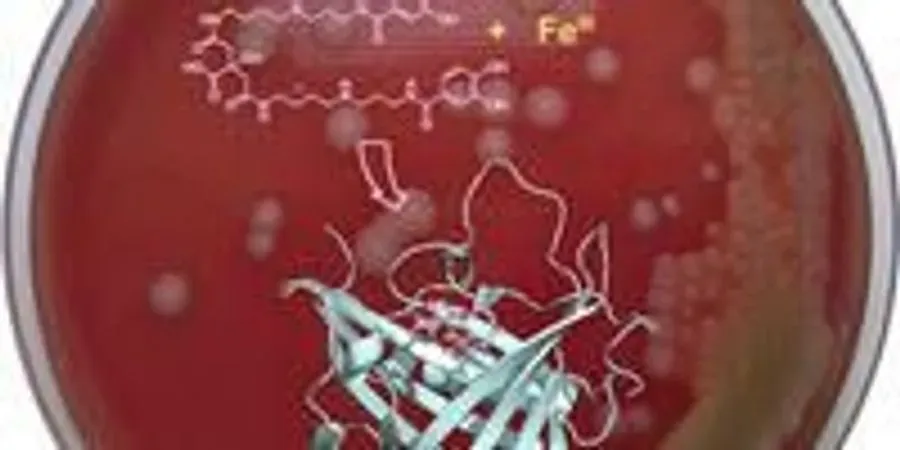
Although the pathogen responsible for anthrax can be treated with antibiotics, the toxin that it releases in the body is particularly dangerous

Some labs use hazardous organic chemicals—reagents with noxious and/or dangerous fumes that can have a detrimental impact on analysts.

Recording video-movies of chemical reactions is a dream of modern chemists; now it came true


