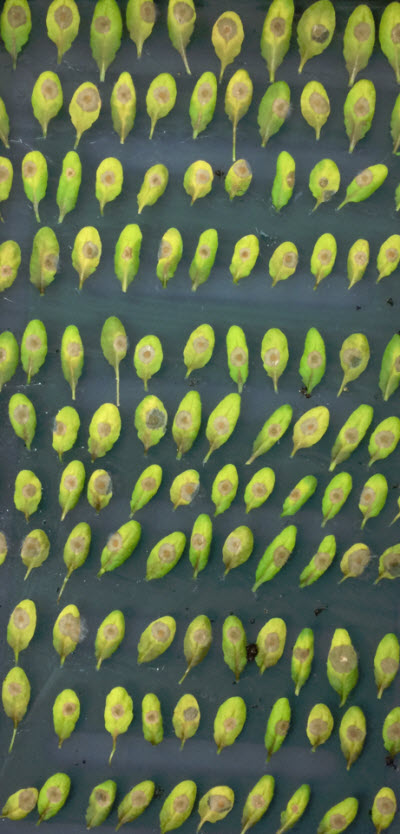
Plants are able to predict when infections are more likely to occur and regulate their immune response accordingly, new research has found.
Led by the University of Warwick, the researchers discovered that a plants’ molecular clock is connected to their immune system to increase levels of resistance to infection at dawn–the time at which fungal infections appear most likely to occur, with plants unable to maintain the highest level of resistance at all times of day.
The researchers identified a single protein, JAZ6, in the plant cell which drives this time-of-day difference in the effectiveness of the immune response, with it connecting the plant clock to the immune system.

To continue reading this article, sign up for FREE to

Membership is FREE and provides you with instant access to eNewsletters, digital publications, article archives, and more.
Already a member? Login Here