Analytical Instruments

"We can now create 3D images of cancer cells and record how they interact with their microenvironment via signaling."

Berkeley Lab-pioneered ‘MIDI-STEM’ produces high-resolution views of lightweight atoms.

Using a technique called supercritical anti-solvent precipitation, the group produced large quantities of highly pure georgeite

A physics group at CU-Boulder has figured out a way to make the ultimate in slow-motion movies
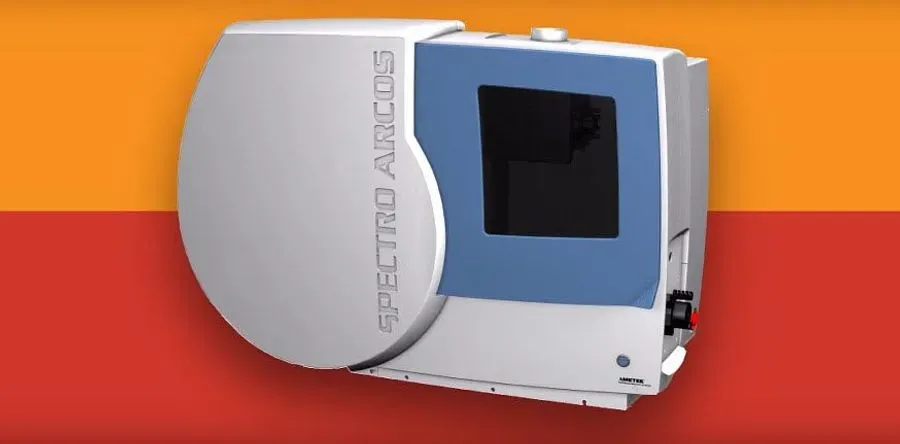
The new SPECTRO ARCOS analyzer represents a new pinnacle of productivity and performance for inductively coupled plasma optical emission spectrometers.

Which method of reporting is appropriate for your particle sizing/characterization application?

Claim your seat & sandwich!

Device could allow surgeons to “see” at a cellular level in the operating room and determine where to stop cutting

A specialized ORNL team uses nuclear forensics to solve mysteries and safeguard materials

For years, scientists have been striving to develop localized treatments to reduce side effects of therapeutic drugs

The history of ORNL's expertise in IR cameras, and what it means for the future

Winning image pictures a 500 nanometer silicate nanoshell particle